280E & Tax
Hemp and CBD Taxes: Why 280E Doesn't Apply — and What Still Does
The bright line
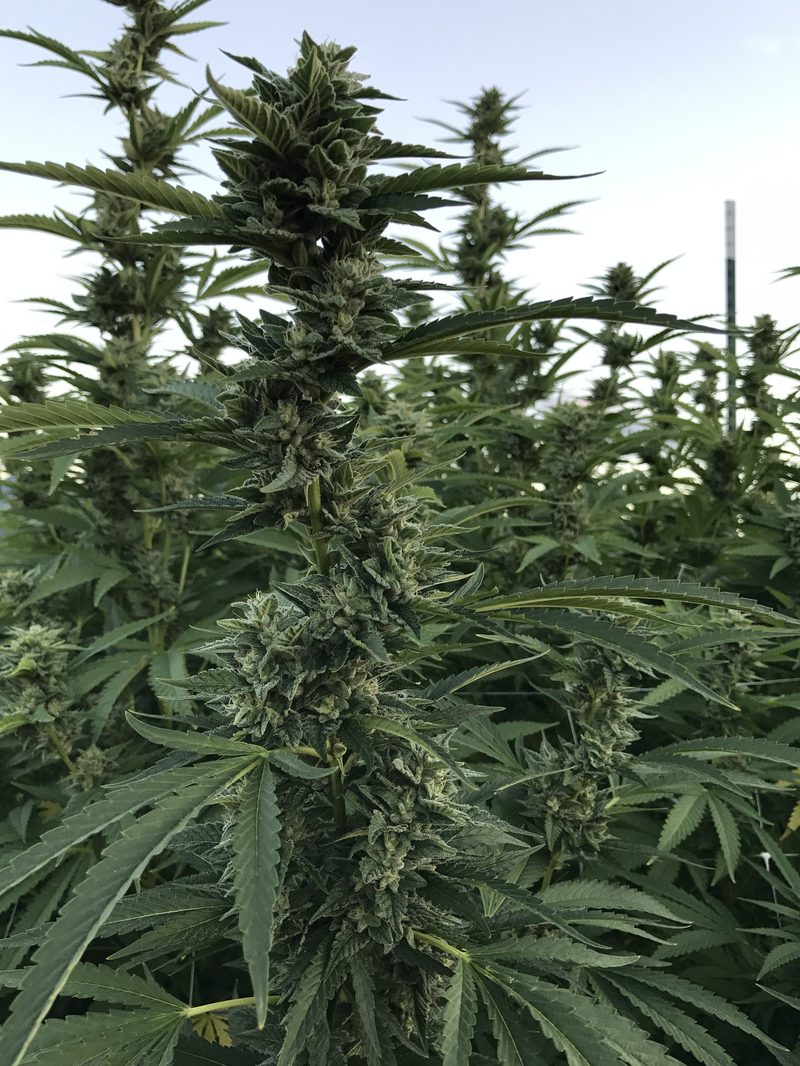
Hemp containing no more than 0.3% delta-9 THC on a dry weight basis was removed from the Controlled Substances Act by the 2018 Farm Bill. A compliant hemp or CBD business is therefore not trafficking in a controlled substance, 280E does not apply, and ordinary business deductions are fully available. Rent, payroll, marketing — all deductible, like any normal business.
That single fact makes hemp's tax posture fundamentally different from marijuana's, and businesses operating in both worlds need structures that keep the two cleanly separated.
The traps that remain
Compliance with the 0.3% threshold is not a one-time test — it is a continuing condition, and product that tests hot is legally a different thing with different consequences. Documentation of testing belongs in your permanent records.
State regimes vary widely on hemp-derived cannabinoids, and several states tax or restrict products that are federally lawful. Multi-state hemp sellers face a patchwork that changes frequently.
And businesses touching both hemp and marijuana must allocate shared costs between a 280E business and a non-280E business — an allocation the IRS will absolutely test, and one that needs the same contemporaneous documentation discipline as any other cannabis position.
Structuring the dual operation
Where a company runs licensed marijuana and hemp lines side by side, separate entities are usually cleaner than internal allocation: distinct books, arm's-length dealings, and no argument about which expenses belong where. The details depend on state licensing rules and how genuinely separable the operations are — which is a design question worth answering before the first tax year, not after.
Talk to a cannabis accountant, not a generalist
MCA has served licensed operators exclusively since 2015 — 100+ businesses across 30+ states. Free consultation; bring your last return and current P&L.
Related: Cannabis Tax Strategy & Compliance · Entity Selection
This article is general information, not tax advice. Cannabis tax outcomes depend on facts, documentation, and jurisdiction — talk to a qualified professional about your specific situation.