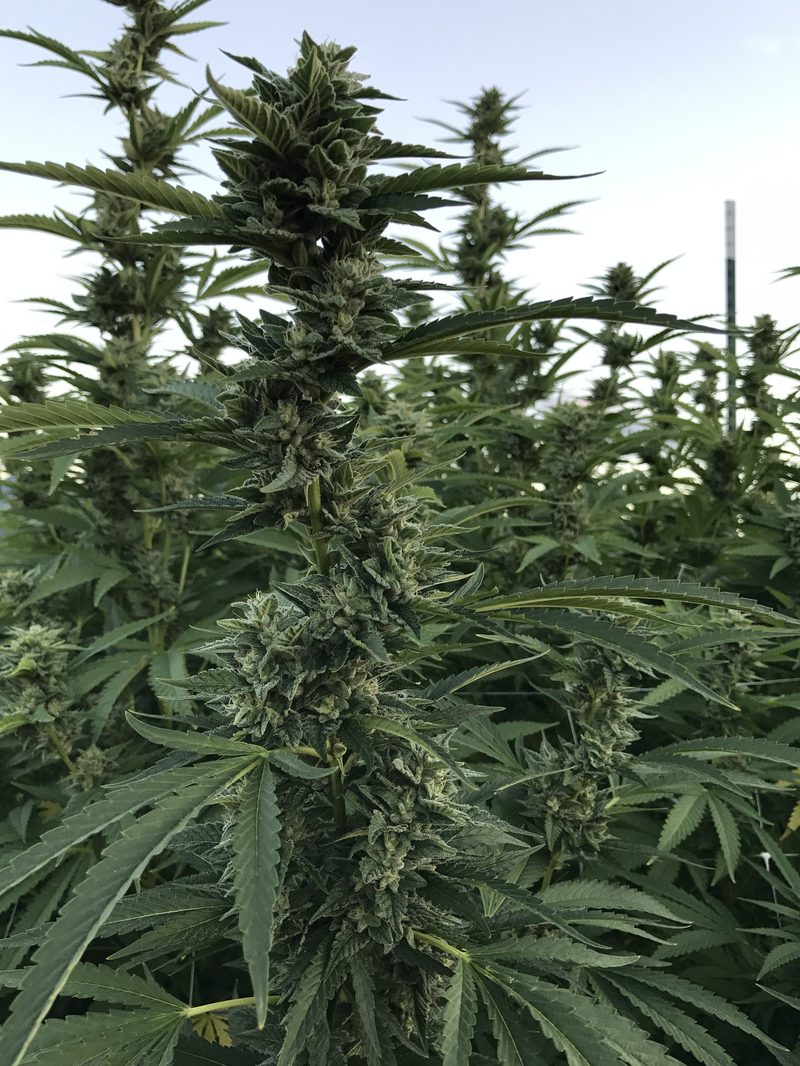
Accounting For Cannabis Cultivators
You have more room under 280E than any other license type. Most cultivators never claim it.
Why Cultivators Have The Best Hand
Section 471 permits a producer to capitalize substantially more into inventory than a retailer — direct labor, cultivation supplies, allocable indirect production costs. Those costs are recovered through cost of goods sold, which sits outside 280E's reach.
The catch is documentation. Contemporaneous records beat reconstructed ones every time under examination, and most grows are not tracking labor allocation as the hours are worked.
Do you know your actual cost per gram? That is usually where we start.
What We Handle
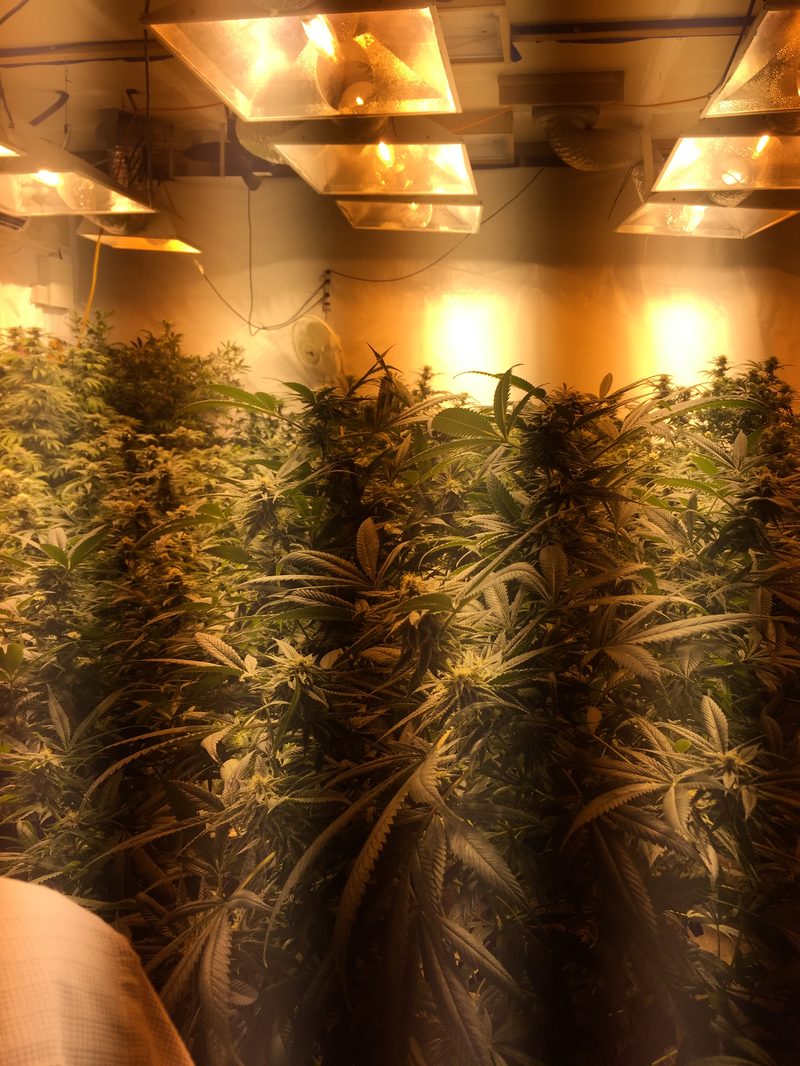
Cycle costing, labor allocation, cost per gram by room and cultivar
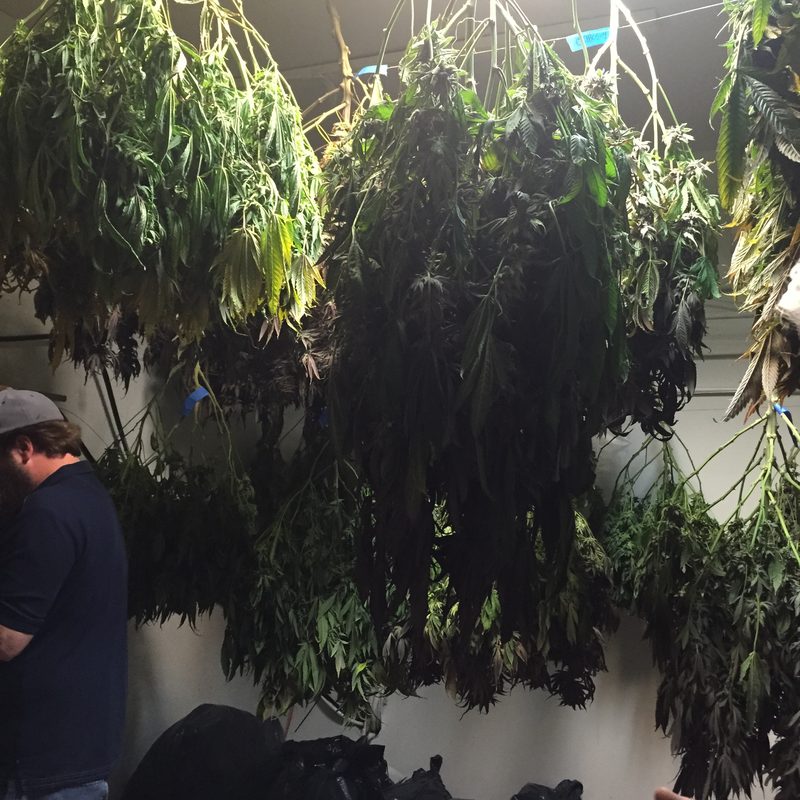
Wet-to-dry reconciliation, waste documentation, METRC to ledger
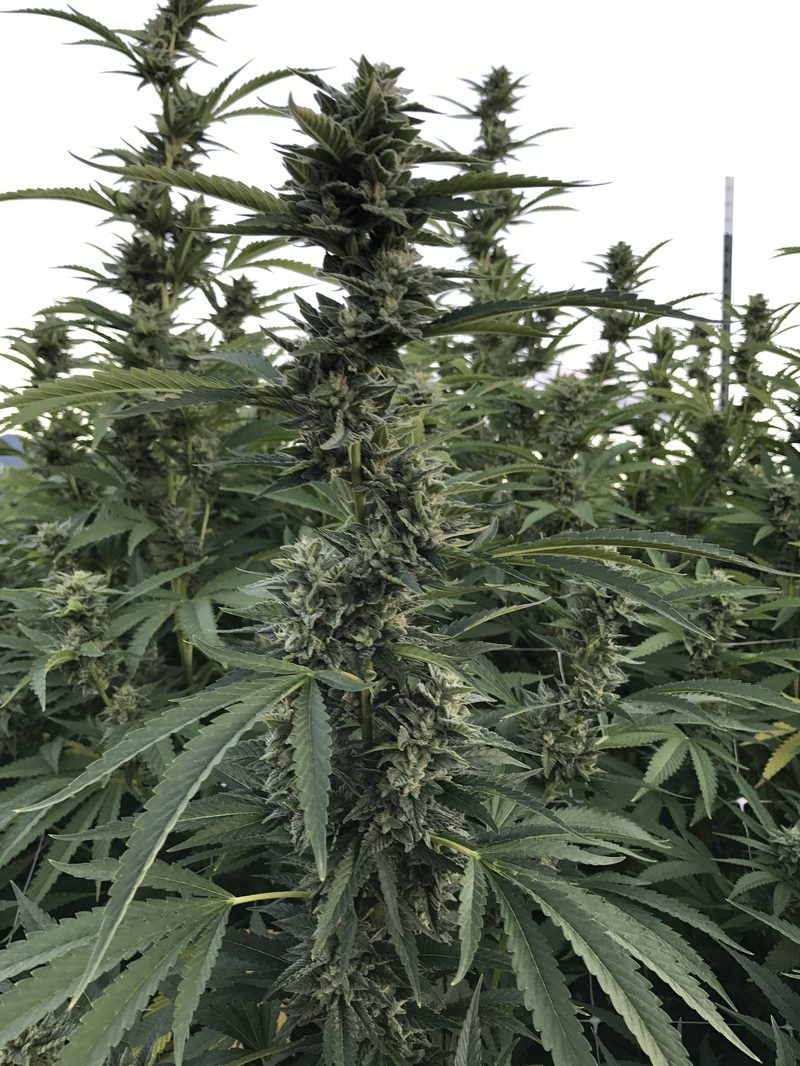
Yield per square foot and per light, survivability under price compression
Frequently Asked
What can a cultivator capitalize that a dispensary cannot?
Producers may generally capitalize direct production labor, cultivation supplies, and allocable indirect production costs into inventory under §471. A retailer's capitalizable costs are considerably narrower — largely the cost of the product itself and certain acquisition costs.
How do you handle wet-to-dry weight loss?
Moisture loss between wet and dry weight is expected and must be documented so your tracking system and your ledger reconcile. Unexplained variance is both a compliance exposure and a hole in the documentation supporting your inventory costing.
Do you work with outdoor, indoor, and mixed-light?
Yes. Cost structures differ substantially between them, which is precisely why the allocation has to be built for your operation rather than copied from a template.