
The Cannabis Accountant Your Business Has Been Waiting For
280E tax strategy, dispensary accounting, and compliance for licensed operators nationwide. We've been doing this since 2015 — before most firms would return your call.
Try Before You Call
Legal Cannabis · Clutch.co
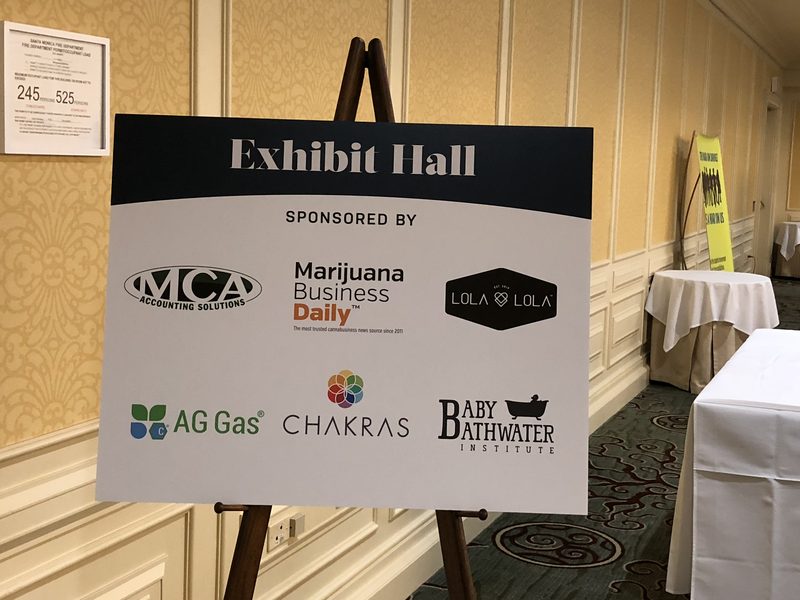
An industry sponsor since the early years of the legal market — not a firm that added cannabis as a vertical last year.
We Were Here Before It Was A Category
When MCA opened its doors in 2015, "cannabis accountant" wasn't a specialty — it was a risk most CPAs wouldn't take. Firms turned operators away. Banks closed accounts. And Section 280E was quietly bankrupting businesses that were doing everything right.
We built this practice for those operators, and we've spent every year since going deeper into a single industry rather than broader across many. That's a decade of 280E positions defended, cost allocations built, and audits survived — all of it in cannabis.
Ten years in one industry beats twenty across ten. Cannabis is all we do, and all we've ever done.
More about MCA →
Built For Every Link In The Supply Chain
Rated 5.0 by the Operators We Serve
“MCA and Harry Shurek helped me get caught up after years of my accountant mishandling my books. This firm and its A-plus services are exactly what I needed.”
“I have several companies, some are very complicated, and Harry has dealt with audits, IRS inquiries, etc. I rate his service 10 out of 10!!”
“Harry and the team have been amazing partners throughout our initial company formation, our capital raise, as well as acting in an advisory perspective.”
Read all verified reviews — 5.0 from 5 reviews, 100% would recommend →
280E Is The Difference Between
Profitable And Bankrupt
Section 280E denies ordinary business deductions to any operation trafficking in a Schedule I substance. For a licensed dispensary, rent, payroll, marketing, and insurance may all be non-deductible — while the tax bill is calculated as if you never paid them.
We've watched operators sell product at what they believed was a dollar of profit per gram and discover their true cost was above the sale price. The numbers were never wrong. The tax treatment was.
Five Practice Areas. One Industry.
280E strategic tax planning · business plans · projections · compliance · seed-to-sale reconciliation
Explore more →
Excise, sales & use tax filing · IRS & state tax audit representation · corporate & personal returns · back-tax help · projectionsCorporate prep & planning · IRS representation · back-tax resolution · excise filing
Explore more →
Bookkeeping · financial reporting · KPI analysis · payroll · part-time CFO
Explore more →
State & federal tax audits · 280E compliance audits · financial statement · internal controls · forensic · IT & security280E compliance audits · financial statement · internal controls · forensic
Explore more →
Business advisory · forecasting · valuation · M&A · entity structuring
Explore more →Estimate what Section 280E is costing your business, and how much may be recoverable.
Try it →Frequently Asked
What is IRC Section 280E?
Section 280E denies ordinary and necessary business deductions to any business trafficking in Schedule I or II controlled substances. Because cannabis remains Schedule I federally, licensed cannabis businesses cannot deduct expenses such as rent, payroll, or marketing — even though they operate legally under state law. Cost of goods sold remains recoverable, which is why cost allocation is the central issue in cannabis tax planning.
Can cannabis businesses deduct any expenses?
Cannabis businesses cannot take ordinary business deductions under 280E, but cost of goods sold is not a deduction — it reduces gross income before 280E applies. Section 471 governs what may be capitalized into inventory. Cultivators can generally capitalize more than retailers, including direct labor and allocable indirect production costs.
Does 280E apply to hemp and CBD businesses?
No. Hemp containing no more than 0.3% delta-9 THC was removed from the Controlled Substances Act by the 2018 Farm Bill, so compliant hemp and CBD businesses are not subject to 280E and may take ordinary business deductions.
Do you work with businesses outside Georgia?
Yes. Our clients are in more than 30 states. Cannabis accounting is primarily a federal tax problem with state-specific compliance layered on top, and we handle both remotely as a matter of routine.