280E & Tax
Cannabis COGS: A Practical Guide to Cost of Goods Sold Under 280E
Why COGS is the whole game
Under 280E, ordinary deductions are gone. What remains is cost of goods sold — which is not a deduction but a reduction in gross income, calculated before 280E applies. Every dollar properly capitalized into inventory and recovered through COGS is a dollar of income you are not taxed on. Every dollar incorrectly left in operating expense is taxed as if it were profit.
What cultivators can capitalize
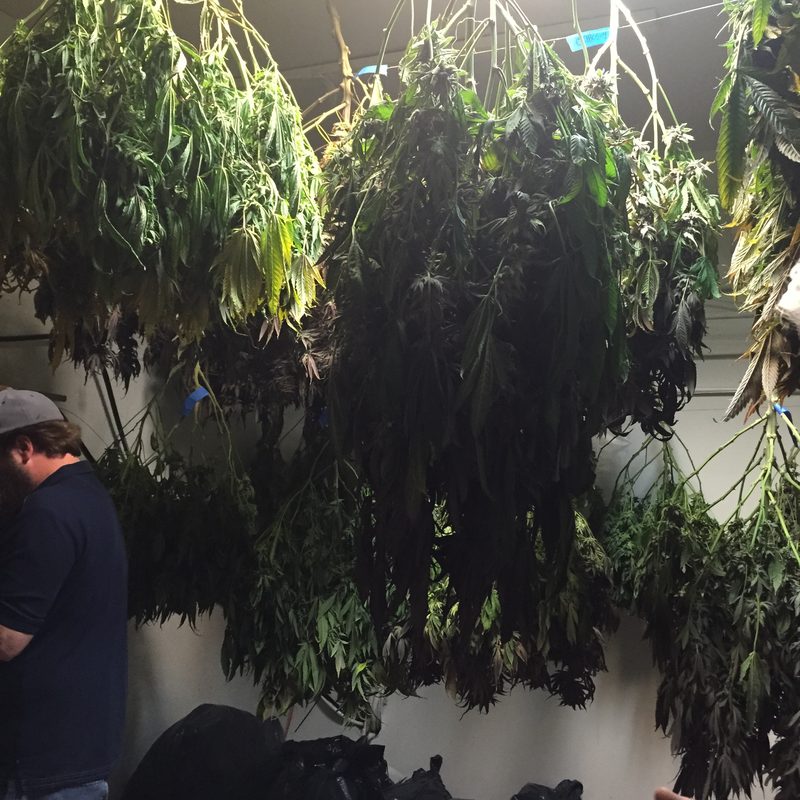
Producers have the widest room under §471. Direct materials — seeds, clones, nutrients, growing media. Direct labor — the people trimming, watering, harvesting. And allocable indirect production costs: a reasonable share of utilities for grow space, depreciation on cultivation equipment, supervision of production staff, and rent allocable to production areas.
The word doing the work in that sentence is allocable. A defensible allocation methodology — square footage, headcount, meter readings — applied consistently and documented as you go, is what separates a position that survives examination from one that collapses.
What retailers can capitalize
A dispensary's capitalizable costs are much narrower: the invoice cost of product purchased for resale, plus transportation and certain other costs necessary to acquire possession. Budtender wages, storefront rent, marketing, and security generally remain non-deductible operating expenses.
This is why retail feels 280E hardest, and why entity structure and precise bookkeeping matter more for dispensaries than for anyone else in the supply chain.
The documentation standard
The IRS does not take allocations on faith. Contemporaneous records — timesheets that split labor by function, utility allocations tied to actual square footage, inventory records that reconcile to your state tracking system — are what make a COGS position real. If your seed-to-sale system and your general ledger disagree, you have a compliance problem and a tax documentation problem at the same time.
Talk to a cannabis accountant, not a generalist
MCA has served licensed operators exclusively since 2015 — 100+ businesses across 30+ states. Free consultation; bring your last return and current P&L.
Related: Accounting & Bookkeeping · 280E Compliance Audits
This article is general information, not tax advice. Cannabis tax outcomes depend on facts, documentation, and jurisdiction — talk to a qualified professional about your specific situation.